









Sep 18., 2024 / Business
What is Filament and What is it Used for?
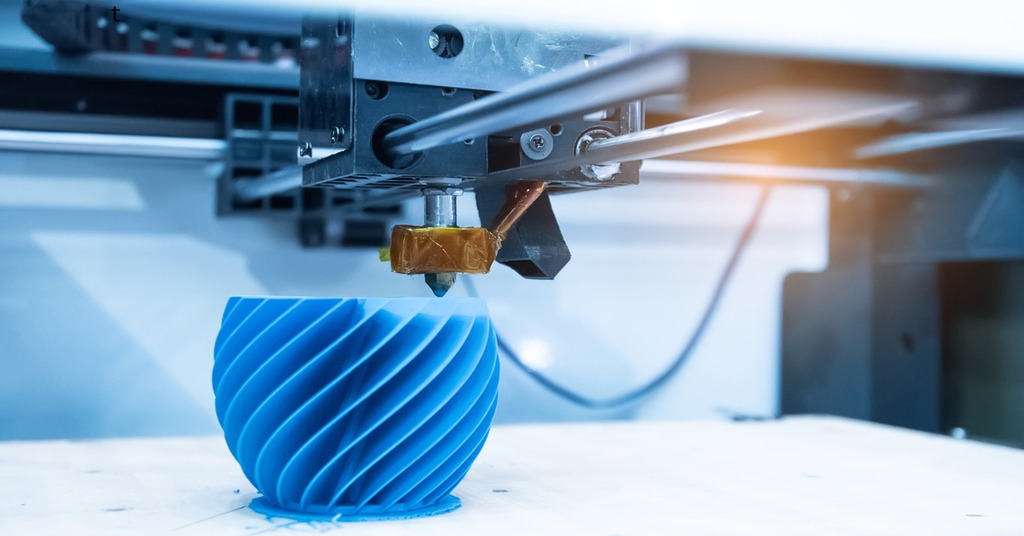
Filament is a specialized printing material used by FFF (Fused Filament Fabrication) 3D printers. It is essentially a continuous thin plastic thread, often wound on spools, used as the feedstock for the printer. The filament is heated through the extruder’s nozzle and used to build 3D-printed objects layer by layer. Today, filament sales have grown significantly due to the rising popularity of 3D printing, and the variety of materials used in filaments continues to expand.
Most Commonly Used Filament
For general use, PLA (Polylactic Acid) is an excellent choice. It is affordable, easy to print, and has decent mechanical properties, making it the most popular option in filament sales. PLA is suitable for beginners due to its ease of use and versatility across a wide range of 3D printing applications.
How is Filament Used in 3D Printers?
Filament plays a crucial role in the 3D printing process. The thermoplastic nature of filaments limits their mechanical properties, making them most useful for prototyping and lighter applications. Common uses include creating prototypes, toys, educational models, and various assembly parts. Professionals and hobbyists alike often opt for filament due to its balance of cost and usability.
An exception is flexible filaments, such as TPU (Thermoplastic Polyurethane), which are frequently used in industries like footwear manufacturing. The rubber-like quality of TPU makes it ideal for producing functional parts, such as shoe soles.
Types of Filaments
Among the most popular types of filaments are ABS (Acrylonitrile Butadiene Styrene) and PLA. However, not all 3D printers can handle both types, so it is essential to understand the capabilities of your 3D printer and the mechanical properties of the filament you choose.
- ABS Filament: Known for its toughness and impact resistance, ABS is ideal for printing functional, durable parts. Its strength and medium flexibility make it a popular option for those seeking strong prints.
- PLA Filament: One of the most commonly used 3D printing materials, PLA is available in various colors, weights, and diameters. It is made from plant-based materials, making it eco-friendly. Standard diameters for PLA are 1.75 mm and 3 mm.
When printing with PLA, it is recommended to use a heated bed to prevent warping. The optimal printing temperature ranges between 200°C and 220°C, while a heated bed set to around 50°C can improve print quality.
Why are Filaments Produced in Different Sizes?
Filaments typically come in two diameters—1.75 mm and 3 mm. The diameter you use depends on your 3D printer model. Some printers are designed to handle thicker filaments, while others require thinner ones for more precise control.
Key Features of Good Filament
When purchasing filament, consider these important factors:
- Consistent diameter throughout the filament to ensure smooth printing.
- Lack of air bubbles, as trapped air can ruin print quality.
- No breakages or inconsistencies along the length of the filament, which could interrupt the printing process.
- High-quality raw materials to produce durable, high-quality prints.
To maintain filament quality, store it in a cool, dark, and dust-free environment. Over time, old filament may become brittle and lead to printing errors.
Future of Filament Pricing
As 3D printing technology advances, so do filaments. Major chemical companies are investing in high-performance plastics like PEI and PEEK, which are expected to push the market toward more complex, advanced filaments. The rise of composite filaments that incorporate materials such as carbon fiber, fiberglass, ceramics, and metal powders promise to bring enhanced performance at lower costs in the future.For more details or to purchase filament, feel free to visit our website.

LEAVE A REPLY