










Sep 14., 2023 / Business
Oral Piercings: The Risks and How to Protect Your Teeth
Oral Piercings: The Risks and How to Protect Your Teeth
Oral piercings, which include tongue, lip, and cheek piercings, have become increasingly popular forms of self-expression. While they may be trendy and visually appealing, it’s important to be aware of the risks they pose to your dental health with West Hollywood dentist. In this article, we will explore the potential dangers of oral piercings and provide guidance on how to protect your teeth if you choose to get one.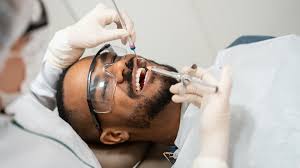
The Risks of Oral Piercings
Tooth Damage: Oral piercings can come into contact with your teeth, leading to chips, cracks, or even fractures. Biting on the piercing accidentally can cause significant damage to your teeth.
Gum Recession: The constant movement of oral jewelry, especially tongue piercings, can irritate the gums and lead to gum recession. This can expose the tooth’s root and increase the risk of tooth decay and sensitivity.
-
- Infection: The mouth is home to numerous bacteria, making it susceptible to infection. Piercing can introduce foreign objects and create open wounds, increasing the risk of oral infections.
- Speech and Swallowing Issues: Tongue piercings, in particular, can interfere with speech and swallowing. It may take time to adapt to the presence of the piercing and learn to speak and eat without causing discomfort or speech impediments.
- Allergic Reactions: Some individuals may experience allergic reactions to the metals used in piercings, which can lead to discomfort, inflammation, or infection.
- Excessive Salivation: Tongue piercings can stimulate excessive salivation, which can be bothersome and inconvenient.
Dushane Dental Arts
9201 Sunset Blvd #416, West Hollywood, CA, 90069
(310) 739-1113
How to Protect Your Teeth with Oral Piercings
- Choose Jewelry Carefully: Opt for high-quality, non-allergenic jewelry made of materials like surgical stainless steel or titanium. Avoid jewelry that contains nickel or other potentially irritating metals.
- Practice Good Oral Hygiene: Maintaining excellent oral hygiene is crucial when you have an oral piercing. Brush and floss regularly to remove food particles and bacteria that can accumulate around the piercing.
- Monitor for Signs of Infection: Keep a close eye on your piercing for any signs of infection, such as redness, swelling, pain, or discharge. If you suspect an infection, consult a healthcare professional promptly.
- Be Cautious with Chewing and Speaking: Be mindful of your piercing when eating or speaking. Avoid biting on it or playing with it to prevent damage to your teeth and gums.
- Attend Regular Dental Checkups: Schedule regular dental checkups so your dentist can monitor your oral health and address any issues that may arise due to the piercing.
- Consider Removing the Piercing: If you experience frequent dental problems or discomfort related to your oral piercing, consider removing it. Your oral health should always be a priority.
Oral piercings can be a form of self-expression, but they come with potential risks to your dental health. It’s essential to be aware of these risks and take precautions to protect your teeth and gums if you choose to get an oral piercing. Regular communication with your dentist and diligent oral care are key to minimizing the negative impact of oral piercings on your oral health. Always prioritize your oral health while expressing your individuality through body modifications.

LEAVE A REPLY